Coping with the Pressure of Video-On Company Policies
You know the feeling. The meeting invite pops up. You click it. And there it is: the little note. “Video on, please!” or, worse, the unwritten rule everyone just *knows*. Your heart sinks a little. Suddenly, you're not just thinking about the agenda. You're auditing your background, your lighting, your face. Is that a weird shadow? Should I have changed out of this hoodie? It's exhausting before you've even said a word. This isn't collaboration. It's a daily performance review.
Why We Get "Zoomed Out" (It's Not Just You)
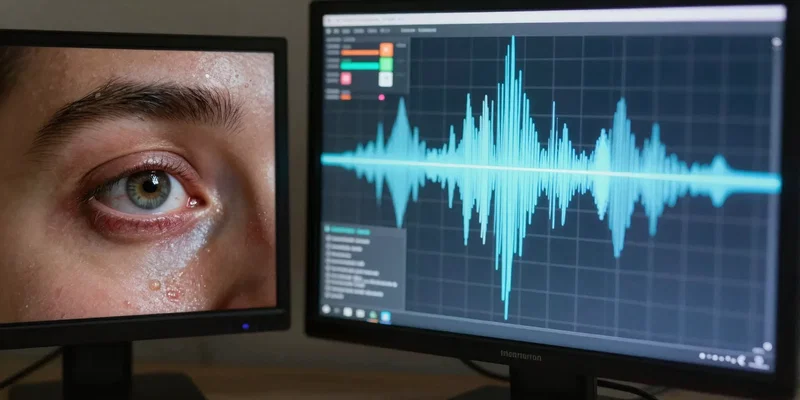
Here's the thing. Our brains aren't built for this. In a real room, your focus drifts. You look at the speaker, then your notes, then out the window. On camera, you're a talking head in a tiny box, staring at a grid of other talking heads... who are all staring back at you. It’s a constant, low-grade social threat alert. Your brain is working overtime processing non-verbal cues from postage-stamp-sized faces while also being hyper-aware of your own. That’s “video fatigue.” It’s mental gymnastics, and nobody gave you a medal for it.
Pushing Back (Without Sounding Like a Slacker)

So what do you do when the policy feels oppressive? You don't just rage-quit the call. You get strategic. Frame it around productivity and well-being, not rebellion. Suggest “audio-only deep work blocks” for brainstorming sessions. Ask if the first five minutes of a large all-hands can be camera-on for hellos, then camera-optional for the presentation. Propose an “environment context” rule: if someone’s in a shared space or has connectivity issues, video is understood to be a challenge. You're not refusing. You're problem-solving for a better outcome.
For the Managers: Rethink the "Rule"
If you're calling the shots, listen up. A blanket video-on policy screams "I don't trust you." It prioritizes surveillance over results. Instead, be intentional. *When* does video truly add value? A sensitive one-on-one? A project kickoff? Great, request it. A weekly status update with 20 people? Maybe not. Default to trust. Make the *purpose* of the meeting clear, and let the medium follow. You’ll get more engaged, less resentful team members. And probably better work.
Take Your Power Back. Seriously.
At the end of the day, your screen is your space. You control the lighting, the angle, that fancy virtual background if you want it. Use that control. Invest in a decent light that flatters you, not fatigues you. Frame the shot so you can slouch a little (they'll never know). And give yourself permission, sometimes, to just be a voice. Your ideas matter more than your pixelated smile. Your contribution isn't measured in frames per second.